Finance——Kan
Take Control of Your Wallet with a "Money Diet"
Table of Contents
Main points
After the long New Year holiday season, many people spent heavily on travel and parties — until the end-of-month credit card bill arrives and shocks them into realizing how much they actually spent. That’s when people decide to go on a “Money Diet” to cut spending for a while, especially in January.
The point isn’t to punish yourself, but to adjust your spending habits toward only what’s genuinely worth it. It also means reviewing your expenses in detail and planning to cut back on things you don’t really need.
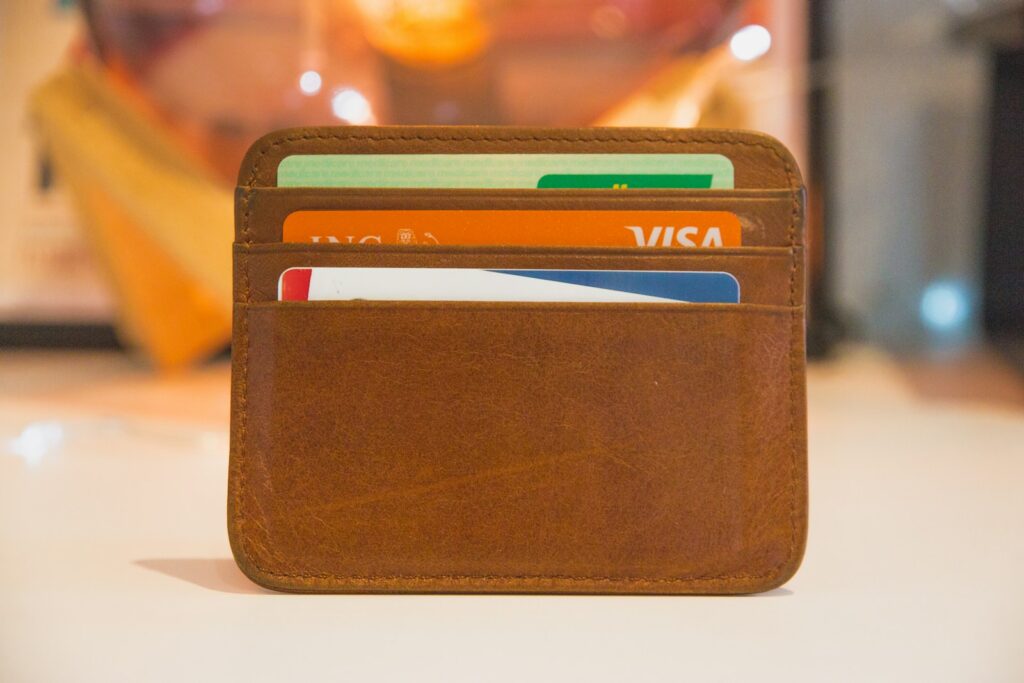
Tips for doing a Money Diet:
1. Set a clear goal
• Decide what you actually want to achieve — not just cutting spending to the bare minimum.
Many people focus so much on cutting costs that they end up anxious and stressed, until at some point they snap and overspend even more than before. It’s better to find a smart balance — enough to live comfortably, get by, and still enjoy life.
2. Analyze your spending
• Review your statements in detail to see exactly where the money went.
Personally, I’ve used ChatGPT to summarize my credit card spending by category — about 30% went to food, 50% to shopping, much of which I honestly didn’t need. You could also use an app like MeowJot to track your spending, to spot unnecessary expenses and cut down on how often you go out.
3. Make it fun, remove spending triggers
• Find activities that don’t cost money, like using public services or swapping items with others.
“‘Enjoy without owning’ has saved me for years,” says Kiersten Saunders, financial educator and co-author of Cashing Out: Win the Wealth Game by Walking Away.
For example: fix your own furniture, or swap clothes and books with people in your community. Doing these kinds of activities tends to feel creative and rewarding.
Another thing you can do is block shopping ads that pop up in your browser, or turn off notifications for shopping app campaigns.
4. Find someone to hold you accountable
• Tell people close to you so they can support you, understand, and respect your commitment to saving.
5. Plan for the long term
• Think about how you’ll maintain good spending habits after the Money Diet period ends.
Controlling your spending should be a sustainable behavioral experiment, not a harsh short-term restriction. It’s best to stay flexible and check in with yourself — for example, after January ends, how do you feel? Different from before? What did you miss, and what needs improving, so you can plan your finances for February and beyond.
Summarized and adapted from https://www.thecut.com/article/january-money-diet.html